
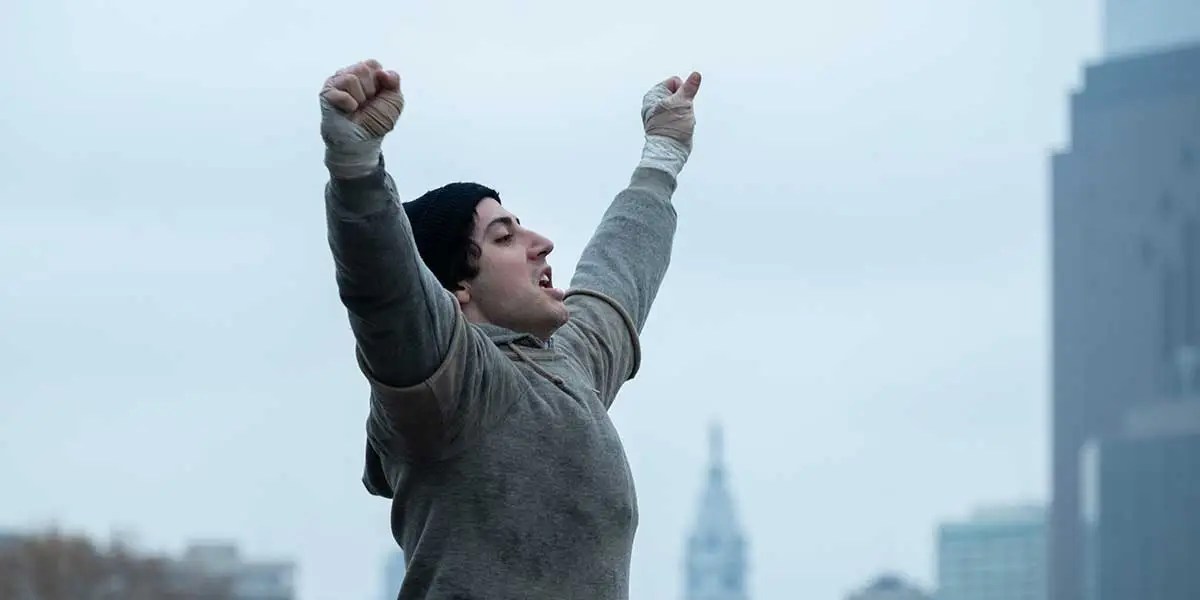
The story of Rocky is an underdog story in itself, but I Play Rocky reminds audiences that the fight to make the iconic film was almost as compelling as the one inside the ring.
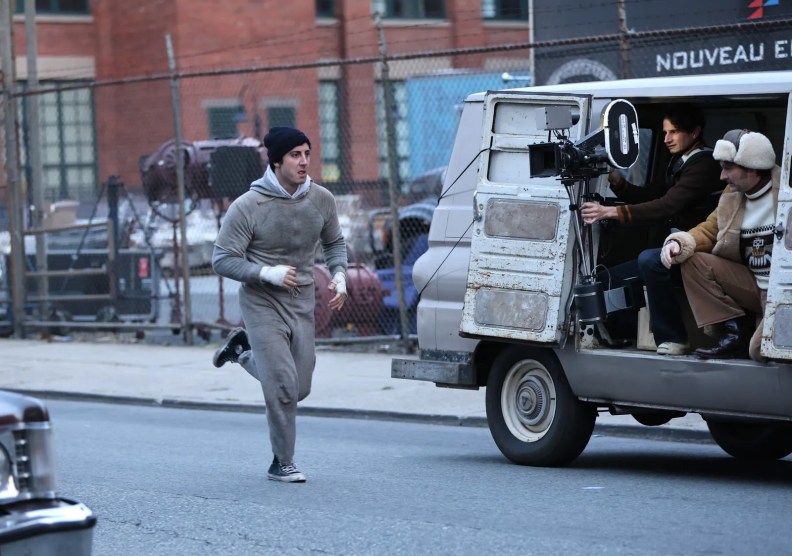
As one of the standout films at the Toronto International Film Festival (TIFF), I Play Rocky delivers a knockout performance from Anthony Ippolito that could earn him a Best Actor nomination. The film is a heartfelt, funny, and beautifully crafted look at the unlikely journey behind one of Hollywood’s most enduring underdog stories. Anchored by Ippolito’s uncanny portrayal and a smart screenplay, it captures the resilience and conviction it took for a struggling actor to convince an entire industry that he wasn’t just the person who wrote Rocky Balboa’s story, but the only person meant to play him.
Rather than a reboot or retelling of the original Rocky, Amazon MGM Studios’ I Play Rocky tells the remarkable true story behind the making of the classic film. It centers on a young, struggling Sylvester Stallone, who was determined not only to get his screenplay made, but also to portray its central character, Rocky Balboa. Despite facing rejection at every turn and pressure to give up the leading role, Stallone bets everything on his vision, literally refusing to compromise on the story or the actor he believes was born to play it.
A fantastic script by Peter Gamble layered with emotional moments and perfectly placed jabs of humor that display not only heart and determination but resilience when everyone expects you to fail. Anthony Ippolito delivers an incredible, uncanny knockout performance, perfectly encapsulating Stallone.
Directed by Academy Award-winning filmmaker Peter Farrelly (Green Book) and written by Peter Gamble, the film stars Anthony Ippolito in a transformative performance as Stallone, alongside Matt Dillon, AnnaSophia Robb, P.J. Byrne, Toby Kebbell, Tracy Letts, Jay Duplass, Stephan James, and Kiki Seto. At TIFF, I Play Rocky also earned recognition as the First Runner-Up for the People’s Choice Award presented by Rogers, behind Javier Calvo and Javier Ambrossi’s La Bola Negra.
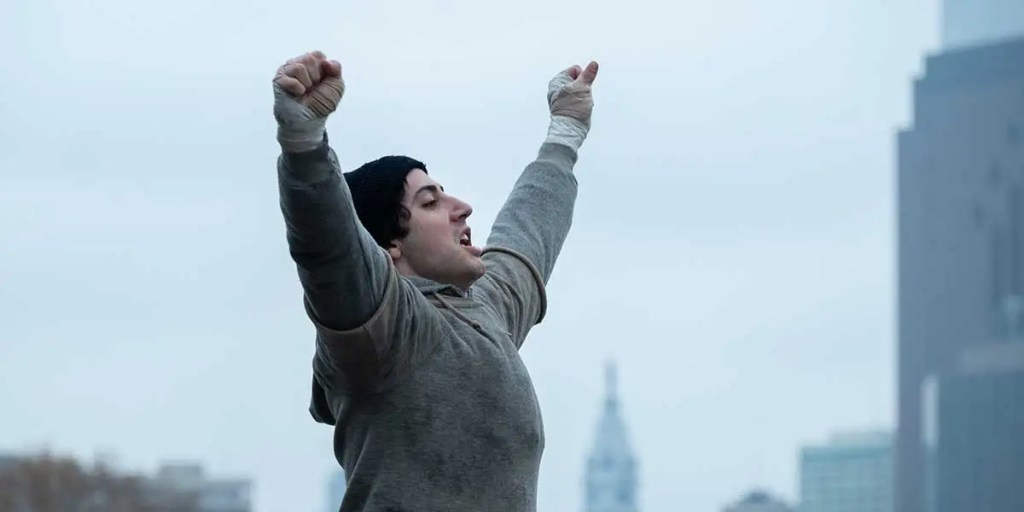
Synopsis: I Play Rocky is an electrifying true story about an unknown actor with an unshakable belief that he wasn’t just meant to write Rocky—he was meant to be Rocky Balboa. Told “no” at every turn, Sylvester Stallone bets everything on himself, holding the line on playing the lead against seemingly impossible odds.
“There are films that inspire us, make us cheer, bring smiles to our faces, and move us emotionally. The best ones also hold up a mirror, allowing us to recognize something of ourselves in the stories unfolding on screen.”
I Play Rocky arrives in theaters nationwide later this month, nearly 50 years after the original Rocky premiered in 1976. While Rocky would go on to become a cultural phenomenon, earning three Academy Awards and cementing its place as one of Hollywood’s most iconic underdog stories, the struggle to bring the film to life was an underdog story in itself. The soundtrack is equally iconic, with Bill Conti’s No. 1 Billboard-charting theme still getting audiences hyped.
Before becoming a household name, Stallone was a struggling actor who wrote the screenplay with one specific condition: he had to play the title character. Despite repeated offers from the studio to sell the script and step aside for a more established actor, Stallone refused to give up the role, even when he desperately needed the money. His determination ultimately drove the film to the big screen.
The original Rocky follows Rocky Balboa, a working-class Philadelphia boxer whose life takes an unexpected turn when heavyweight champion Apollo Creed chooses him as his opponent for a Fourth of July fight. Balancing his romance with Adrian, his work collecting debts for a loan shark, and his trainer Mickey’s demanding guidance, Rocky gets an unlikely chance to prove himself in the ring.
What audiences may not know is the equally compelling story behind the film’s creation. At the time, Stallone was a struggling actor in New York who, frustrated by the lack of opportunities, wrote a screenplay with himself in mind for the lead role. He had only landed small parts in television and film and, during a period of homelessness, he slept in Penn Station with his dog.
After producers Irwin Winkler and Robert Chartoff acquired the script and brought the project to United Artists, the studio wanted an established Hollywood actor to play Rocky instead. Despite increasingly lucrative offers to surrender the role, Stallone refused, determined to see his vision through and insisting that he be the one to bring Rocky to life. Turning down the money became even more difficult when his wife, Sasha Czack (AnnaSophia Robb), became pregnant.
Much More Than a Boxing Movie
One of I Play Rocky’s strongest elements is Peter Gamble’s screenplay, which balances comedy, drama, and emotional storytelling while exploring perseverance, self-doubt, personal sacrifice, and the importance of having people in your corner. Rather than simply recounting the behind-the-scenes story of a boxing movie, the film examines what it means to believe in yourself when the industry continually questions your potential. Its well-timed humor keeps the story from becoming overly sentimental, while intimate moments, including those involving Stallone’s dog, give the film much of its heart.

Director Peter Farrelly was immediately drawn to Gamble’s script, recalling, “I picked it up, and I could not put it down. It actually was the best script I’d ever read, and by far it was the best script that was ever sent to me.” Producer Michele Weiss also praised the screenplay’s ability to bring a fresh perspective to a familiar story, describing the film as “the true story about the making of the ultimate ‘root for the underdog’ movie.”
Producer Toby Emmerich highlights the universal appeal of Stallone’s journey, explaining, “Rocky is a film about perseverance, holding onto your dreams, not taking no for an answer, and fighting for what you believe in. The message of the movie and the message of that character resonate with so many people.” He also recalls Johnny Carson remarking shortly after the original film’s release that the story behind Rocky was so extraordinary it could become a movie itself. “And now, 50 years later, we did,” Emmerich adds.
Stallone Against Hollywood
At the heart of the story is Stallone’s refusal to surrender the role he created, despite the studio’s repeated offers of more money to cast an established actor. Producers and studio executives initially view an unknown actor in the lead role as a financial risk. The film explores Hollywood’s tendency to prioritize commercial appeal over creative vision, while Stallone remains determined, literally saying, “I PLAY ROCKY.”
Farrelly recalled reading stories about the young writer and lead actor upon Rocky’s release, as well as seeing the film for the first time in New York around Thanksgiving 1976. He was particularly moved by Stallone’s conviction, explaining, “I’m not giving up this role for a million dollars or for 10 million dollars, because there are things in life that aren’t about money.”
Screenwriter Peter Gamble similarly draws a connection between Stallone’s personal struggles and the character he wrote: “Stallone in the early ‘70s felt like he had something more to offer, but no one would give him a chance. So he pours his personal experience into a script that’s Rocky’s story, but it’s really Stallone’s story.” Even after securing the opportunity to make the film, Stallone faced another challenge: producing it on a shoestring budget while working under pressure to deliver within a limited number of takes.
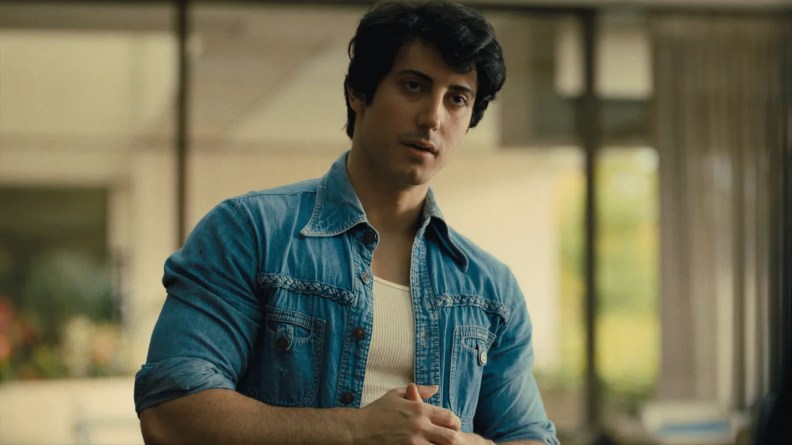
Anthony Ippolito’s Knockout Performance
Anthony Ippolito hands-down delivers an incredible, uncanny performance as a young Sylvester Stallone. He captures not only Stallone’s distinctive mannerisms, personality, determination, voice, and presence, but does so without making the portrayal feel like a mere impersonation. Ippolito effectively balances Stallone’s stubborn ambition and humor with the vulnerability and insecurities of a struggling actor who knows what he wants but constantly faces rejection. He makes audiences understand the conviction behind Stallone’s determination to play Rocky, particularly through the contrast between how the industry views him and how strongly he believes in his own potential.
For Ippolito, who previously portrayed Al Pacino in The Offer, the story offered an opportunity to explore another fascinating chapter in Hollywood history. “As an actor, you hear these ‘behind-the-scenes’ stories, and often they’re just as interesting as the films themselves,” he says. Ippolito also emphasizes the importance of remaining faithful to the events surrounding the original film, adding, “There’s so much emphasis on truth in I Play Rocky — we’re not satirizing the situation that went into making Rocky.” Ultimately, the film is less about chasing fame or fortune than having the conviction to fight for a creative vision, even when nobody else believes in it.
Ippolito’s comments reinforce the film’s central message: sometimes believing in your creative vision means taking a risk when nobody else is willing to take a chance on you.
AnnaSophia Robb brings warmth and affection to the story as the woman who wholeheartedly believes in Stallone and supports his ambitions. Matt Dillon, P.J. Byrne, Jay Duplass, Toby Kebbell, Tracy Letts, and Stephan James round out the supporting ensemble, helping shape the important relationships that ground Stallone’s journey.
Bringing Rocky to Life
I Play Rocky effectively recreates the challenges behind making the original Rocky, taking audiences through the process from pre-production and casting to the demanding physical preparation and filming of the boxing sequences. The film explores the search for the right director and cast, the influence of real boxing history, including the inspiration drawn from the Muhammad Ali and Chuck Wepner fight, and the importance of finding actors who could convincingly embody their characters.
It also highlights Stallone’s lack of professional boxing experience and the intensive training, choreography, and creative disagreements involved in bringing authenticity to the fight scenes. There are some genuinely hilarious moments throughout these recreations, especially in the scenes with Ippolito and James (Weathers).
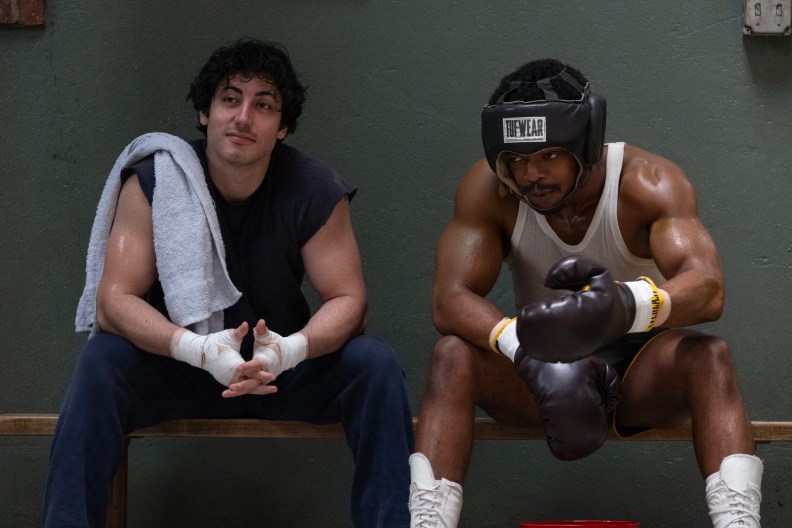
The production challenges extend beyond the ring, including the decision to shoot in Philadelphia rather than New York to accommodate the limited budget and reinforce the story’s working-class identity. The film also captures the unconventional filmmaking techniques used to bring the original to life, from handheld cinematography and Steadicam to documentary-style camera work. The Sesame Street cameraman’s handheld approach was crucial to Rocky’s filmmaking style. Even Stallone’s decision to wear his own clothes as Rocky reflects the resourcefulness behind a production operating under tight financial constraints, demanding shooting schedules, and long production days.
The casting process for I Play Rocky was one of the production’s biggest challenges, with director Peter Farrelly seeking Sylvester Stallone’s approval before moving forward. Although Stallone was not directly involved in the film’s production, he provided valuable input, including details about the music he listened to while writing the original Rocky screenplay. Farrelly incorporated songs by Buffalo Springfield, early Hall & Oates, and Procol Harum throughout the film to reflect Stallone’s creative process.
Finding someone to portray the young Stallone was equally crucial. Casting director Rick Montgomery ultimately brought forward Anthony Ippolito, who had independently tracked down the script and submitted an audition tape performing three scenes. Impressed by his resemblance, voice, and ability to capture Stallone’s mannerisms, Farrelly immediately felt he had found the right actor.
Ippolito gained more than 40 pounds for the role and earned Stallone’s personal approval after his audition. Stallone praised the performance for being an interpretation rather than an impersonation, even sharing the audition with his wife and daughters, who also loved it. Despite initial concerns about placing the entire film on a young actor’s shoulders, producer Toby Emmerich and the creative team quickly became confident in Ippolito’s portrayal. His ability to capture Stallone’s combination of toughness and innocence ultimately made him the right choice to bring the story behind Rocky to life.
Once the I Play Rocky team settled on Ippolito, he began preparing to capture Stallone’s physicality and mannerisms in the 1970s, building muscle through a high-protein diet and taking boxing lessons. He also worked to recreate Stallone’s distinctive voice, which was shaped by partial facial paralysis and vocal cord damage sustained at birth. Beyond the physical resemblance, Ippolito sought to capture the determination, intelligence, humor, and sensitivity behind the actor’s tough exterior.
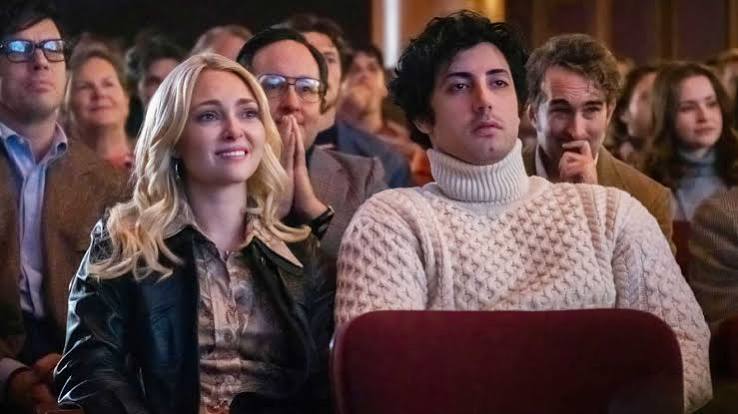
Surrounding Ippolito is an ensemble cast portraying the people who helped shape Stallone’s journey. AnnaSophia Robb plays Sasha Czack, Stallone’s girlfriend and future first wife, who became one of his greatest supporters. The film highlights her role in helping bring Rocky to life, including typing up Stallone’s handwritten screenplay and documenting the production through photographs. Matt Dillon portrays Stallone’s father, Frank Sr., while Stephan James takes on the role of Carl Weathers, who famously played Apollo Creed in the original film. Kiki Seto portrays Talia Shire, whose performance as Adrian made her an essential part of the Rocky story.
The cast also explored the personalities and relationships behind these iconic figures, particularly the chemistry between Stallone and Weathers, whose unconventional approach to choreographing their boxing sequences helped create one of cinema’s most memorable fight scenes. This may have been one of my favorite scenes.
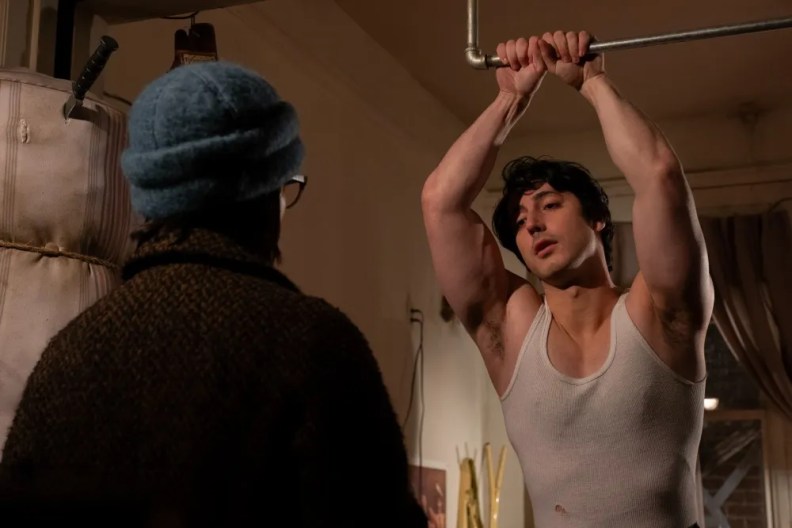
Meanwhile, Seto focused on capturing Shire’s interpretation of Adrian as a vulnerable yet determined woman whose love helps transform Rocky. Together, the performances highlight the personal relationships, creative collaborations, and support that helped shape the original film.
Production on the original Rocky began on January 9, 1976, and I Play Rocky recreates several of the film’s most iconic moments, including its legendary training and boxing sequences. The production captures the physical demands of bringing the boxing scenes to life, from injuries and grueling 12-hour shooting days to studio pressure to limit takes and cut scenes.
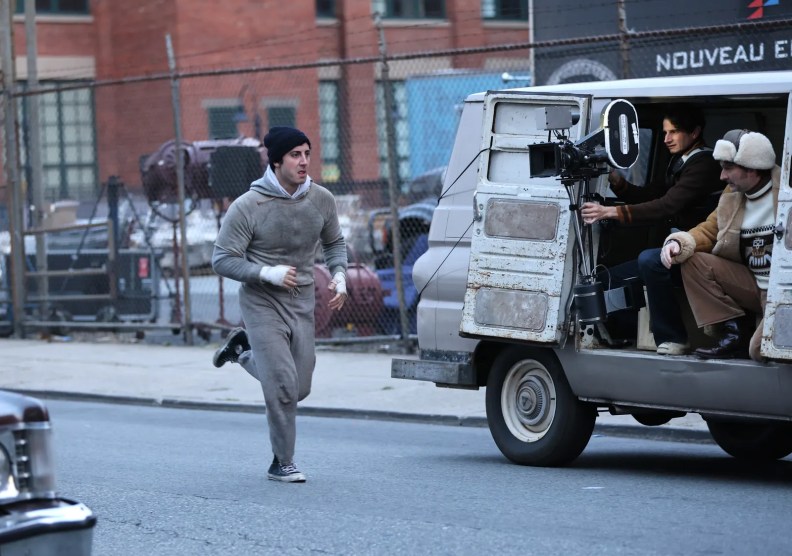
Despite these setbacks, Stallone remained determined to see his vision through, often insisting on continuing even when production became physically demanding. The film also explores the challenges of preserving key creative moments, including the memorable ice-skating scene, which required adjustments and the producers’ willingness to push back against studio demands. Alongside its recognizable music and visual style, these recreations highlight the resourcefulness, persistence, and determination behind the original production rather than simply relying on pure nostalgia.
The Heart of an Underdog Story
Resilience is at the heart of I Play Rocky, highlighting Stallone’s determination to persevere despite repeated rejection, financial struggles, and seemingly impossible odds. The film also explores generational expectations surrounding masculinity, particularly the pressure to remain tough and never show weakness. Beneath Stallone’s relentless drive are moments of vulnerability, insecurity, and self-doubt, revealing the emotional toll of constantly having to prove himself. This contrast adds another layer to his journey, showing that his greatest strength lies not only in enduring hardship but also in finding the courage to embrace vulnerability while continuing to believe in himself.
Ultimately, I Play Rocky succeeds because of its ability to balance humor, heartfelt storytelling, and the determination behind the making of a cinematic classic. Anthony Ippolito delivers an extraordinary, uncanny performance as a young Sylvester Stallone, anchoring the film with his physical transformation, comedic timing, and ability to capture the actor’s unmistakable personality.
Peter Farrelly’s direction and Peter Gamble’s intelligent, emotionally grounded screenplay bring an engaging perspective to a story that is as much about Hollywood perseverance as it is about filmmaking. While the film occasionally could have explored Stallone’s personal struggles and the contributions of those around him in greater depth, its recreations of the original production offer an entertaining and meaningful glimpse into the resourcefulness and creative conviction required to bring Rocky to life.
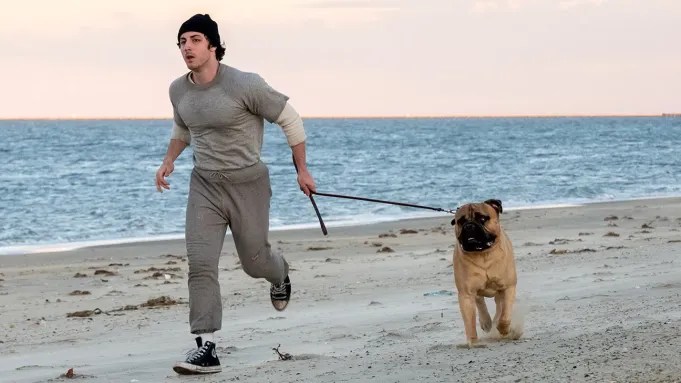
Nearly 50 years after the original Rocky made its debut, I Play Rocky reminds audiences that the story behind the iconic film is an underdog story in its own right. Stallone wasn’t simply fighting to sell a screenplay; he was fighting for the opportunity to play the character he created and prove that he belonged in Hollywood. Ippolito captures that spirit beautifully, portraying a young man who refused to accept the limitations others placed on him. Much like Rocky Balboa stepping into the ring against impossible odds, Stallone’s greatest victory was believing in himself when almost nobody else did. I Play Rocky is an inspiring reminder that sometimes the most important fight is the one to make others believe in the vision you already see for yourself.
Overall: 9/10
Peter Farrelly‘s beautifully crafted biopic
@iplayrockymovie, which recounts the making of the classic underdog Stallone film, is one of the best films I’ve seen so far at TIFF!!! A fantastic script by Peter Gamble layered with emotional moments and perfectly placed jabs of humor that display not only heart and determination but resilience when everyone expects you to fail.
Anthony Ippolito delivers an incredible, uncanny knockout performance, perfectly encapsulating Stallone.
People’s Choice Award presented by Rogers:
La Bola Negra, dirs. Javier Calvo and Javier Ambrossi
First runner-up: I Play Rocky, dir. Peter Farrelly
Second runner-up: Being Heumann, dir. Siân Heder
In Select Theaters November 6
Everywhere November 20


